

blog
How Nutrition Affects Breast Milk: Tips from Lactation Experts
Oct
Every new mother hopes to provide the best nourishment for her baby — and for many, that means breastfeeding. But when milk supply seems low, frustration and worry often follow. While stress, feeding frequency, and sleep patterns all affect milk production, one crucial yet often overlooked factor is maternal nutrition.
The Connection Between Nutrition and Milk Supply
Lactation experts highlight that nutrients like vitamins B, calcium, omega-3 fats, and sialic acid play vital roles in maintaining healthy milk flow:
Breast milk is made from the nutrients and fluids circulating in a mother’s body. This means your diet directly influences both the quantity and quality of your milk. When your body lacks certain nutrients, it prioritizes essential organs first, sometimes leaving fewer resources available for milk production.
Lactation experts highlight that nutrients like vitamins B, calcium, omega-3 fats, and sialic acid play vital roles in maintaining healthy milk flow:
- Vitamins B (B1, B6, B12) help convert food into energy and support hormonal balance, reducing postpartum fatigue that can hinder supply.
- Calcium and Magnesium support the muscle contractions involved in milk ejection (let-down reflex).
- Omega-3 (DHA) and Sialic Acid enhance milk composition, boosting brain and immune development for the baby.
When mothers eat poorly or experience chronic fatigue, prolactin (the milk-making hormone) and oxytocin (the milk-release hormone) can fluctuate, leading to inconsistent supply.
What the Experts Recommend
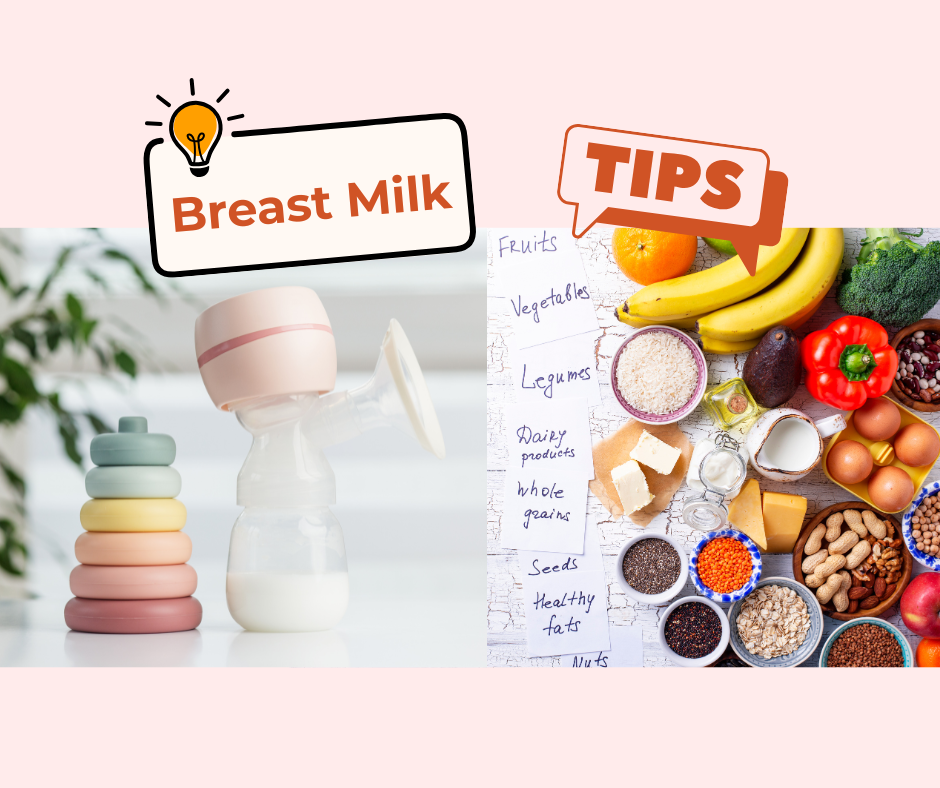
Lactation consultants emphasize balanced, frequent meals with a mix of whole grains, lean protein, healthy fats, and water-rich fruits and vegetables. Staying hydrated is equally important — even mild dehydration can affect milk volume.
SialicMax provides targeted nutrition to support:
- Energy recovery post-delivery
- Hormonal regulation tied to milk let-down
- Nervous system balance that supports oxytocin and prolactin
- Milk flow consistency — especially during the demanding early postpartum phase
The Takeaway
Breast milk supply is not solely about how often you nurse; it’s about how well your body is nourished. By caring for yourself through proper diet and supplementation, you’re not only improving milk production but also enhancing the quality of nutrients your baby receives.
Healthy mothers make healthy milk — and a thriving baby starts with a well-nourished mom.
Click here to find out the offer from SialicMax!
https://www.sialicmax.com/shop/